
In Maryland, it’s common for buyers to ask: “If the seller signs the back of the title and hands it to me, can I just resell the car to someone else using that same title?” It sounds simple—almost too simple. And that’s because it is. What most people don’t realize is that Maryland’s system has built-in checks, taxes, and verification steps that make this practice not only illegal but also extremely risky.
This isn’t just a general “title jumping” explanation like you see on big websites. This is how it actually works in the State of Maryland—based on MVA procedures, excise tax rules, insurance requirements, and real situations that come across a Tag & Title counter every day.
Why You Can’t Legally Resell a Car Without Titling It First
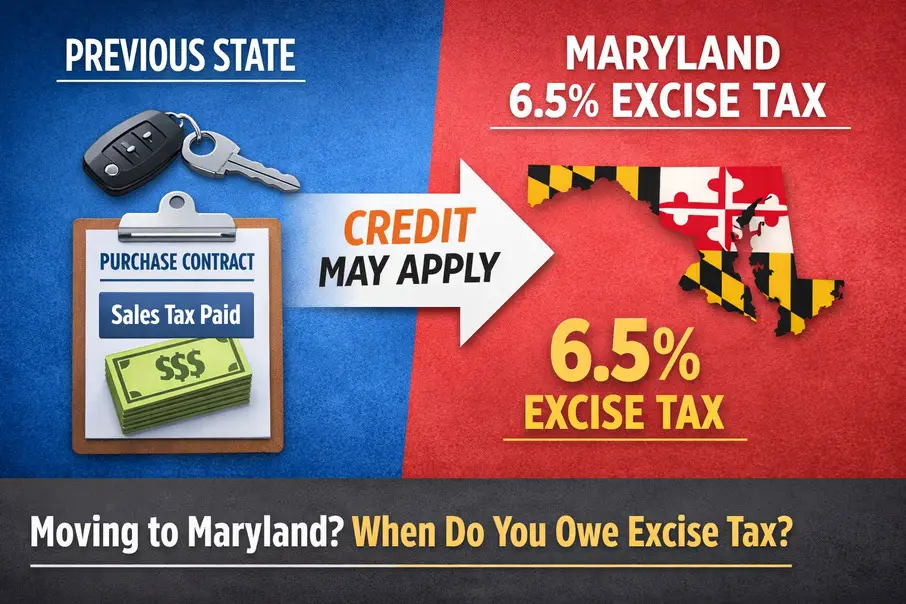
When a seller signs the Maryland title over to a buyer, the buyer becomes the responsible party. Maryland law expects the buyer to complete the transfer, pay the 6.5% excise tax, and obtain a new title in their name. Only then can they legally sell the vehicle to someone else.
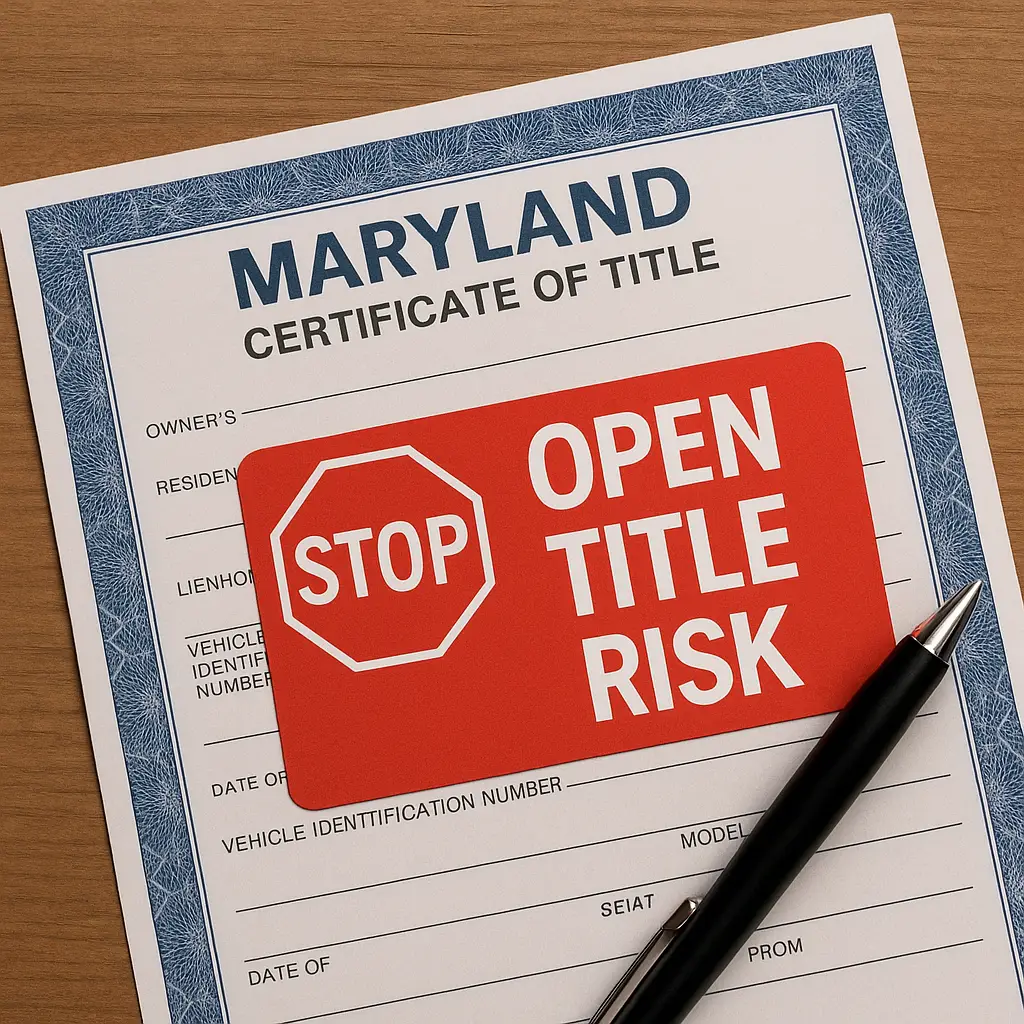
If the buyer skips this step and tries to sell the vehicle “as is” with an open title, it breaks the legal chain of ownership. This is considered title jumping in Maryland—a violation that can lead to fines, denied registration, and possible MVA investigation.
The Maryland “Chain of Custody” Rule That No Other Blogs Talk About
Maryland tracks ownership through the excise tax process. Every legitimate sale creates a paper trail: VR-005, VR-129, emissions history, NMVTIS records, prior odometer readings, and MVA title history. If you never title the vehicle in your name, your name never enters this chain.
And when there’s no chain? The MVA can reject the entire transaction when the next buyer tries to title the vehicle. This is one of the most common “surprises” people learn only after it’s too late.
Insurance Problems: The Part No One Warns You About
If you’re driving a vehicle that isn’t titled in your name, Maryland insurance companies can—and often do—void coverage. You can’t insure a vehicle you don’t legally own. And if the car gets into an accident?
The buyer is now driving an uninsured vehicle without legal ownership.
No blog ever talks about this, but it’s where most people get burned. Without proof of ownership, insurance companies decline claims. That’s a financial disaster waiting to happen.
Temporary Tags & ERT Systems Make Open Titles Impossible
Maryland’s ERT (Electronic Registration & Titling) systems—including those used by licensed agents like MES—verify the owner through:
- NMVTIS national title database
- MVA internal title history
- VIN validity checks
- Active lien searches
If you’re not listed as the legal buyer, the system will not approve:
- 30-day Maryland temp tags
- Tag transfers
- Registration renewals
- Title-only processing
This is why Tag & Title agents cannot process a transaction for someone who is “selling it to a friend” without ever transferring the title. The system simply will not allow it.
Dealer Reassignment: The Only Legal Exception
The only people allowed to sell a vehicle without titling it first are licensed Maryland dealers. They have official reassignment pages built into the title or may use the VR-183A Dealer Reassignment Form.
Regular private buyers do not have this privilege. If they try to “sell with an open title,” they are attempting a dealer action without a dealer license—a violation Maryland calls curbstoning.
Why Holding a Signed Title Is Risky
- If the seller files for a duplicate title → your title becomes invalid.
- If the seller reports the car stolen → the VIN is flagged.
- If the seller’s old lender suddenly releases or reinstates a lien → the paperwork becomes complicated.
- If tolls, fees, or parking fines appear → they can attach to the VIN history.
Holding a signed title without transferring it puts you in the worst legal position—neither owner nor non-owner.
Excise Tax Complications (Another Maryland-Only Twist)
When the next buyer tries to title the vehicle, Maryland checks:
- the price you claim,
- the price on the open title,
- the MVA book value,
- the VIN’s transaction history.
If the chain is broken, or the numbers don’t make sense, MVA may:
- reject the transaction entirely,
- apply book value instead of sale price,
- require a notarized bill of sale,
- ask for additional documentation,
- refer the case for audit.
These complications never appear in generic national blog posts—but they are everyday frustrations for Maryland buyers.
So What’s the Correct Maryland Process?
- The seller signs the title.
- The buyer submits the title to the MVA or an authorized Tag & Title agent.
- The buyer pays Maryland excise tax (6.5%) and title fees.
- MVA issues a new title in the buyer’s name.
- If the buyer wants to sell the car later, now they can legally do so.
Simple, clean, and 100% compliant.
Useful Maryland Links
- Maryland MVA – Official Website
- Search Maryland Inspection Certificates
- Search Maryland Business Entities
- Curbstoner Enforcement (MVA)
FAQ
Can I sell a car in Maryland without putting the title in my name?
No. That’s illegal title jumping.
What if the vehicle is not running or needs repairs?
You must still complete the title transfer. You can get a “Title-Only” or “Non-Operational Title.”
Can a licensed dealer sell without titling?
Yes. Dealers have reassignment privileges that private buyers do not.
What happens if I drive with a signed title?
Insurance can deny coverage, and MVA can reject any temp tag or registration attempt.
What if the buyer refuses to title the car?
The seller should file a “Vehicle Sold Notice” to protect themselves.